
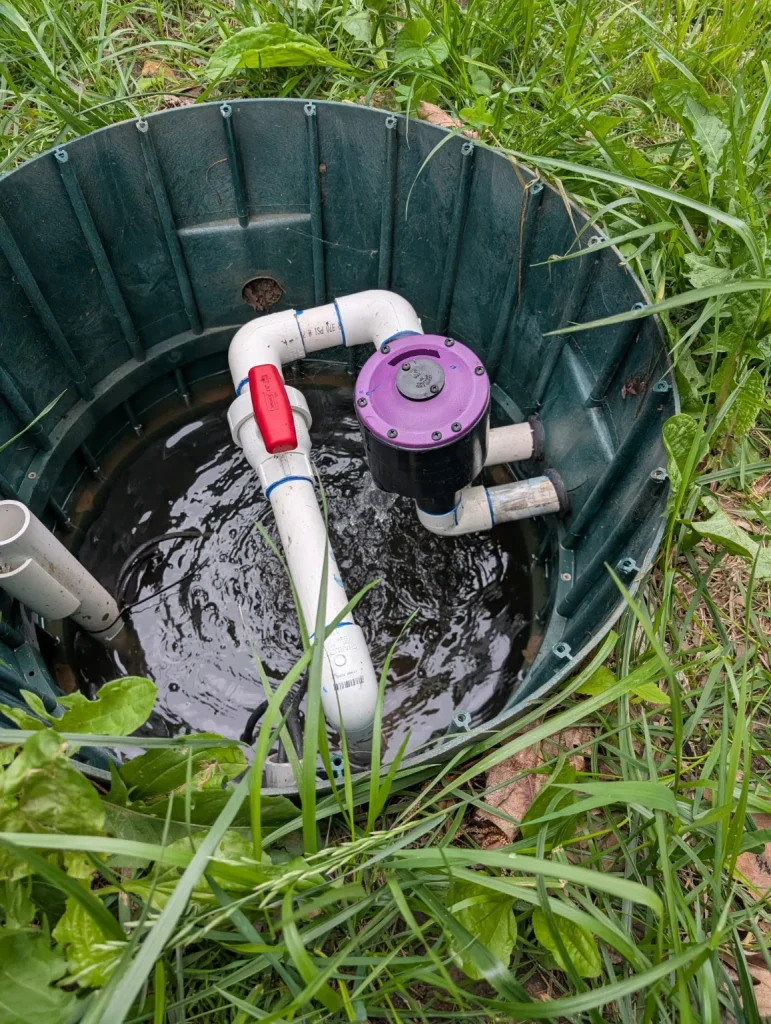
Septic Pumps, Floats & Alarms
Septic pump not running? High-water alarm going off? Pump running constantly? A failed pump, float or control problem can quickly turn into a septic backup.
Digger Dave repairs and replaces septic pumps, floats, alarms and related pumping components throughout Northwest Missouri. We’ll help determine what failed instead of automatically replacing parts that aren’t the problem.
Septic Pump Problems Can Shut Down the System
Many onsite wastewater systems depend on a pump to move wastewater from one part of the system to another.
When that pumping system stops working, wastewater can continue entering the tank even though it isn’t being moved where it needs to go.
Eventually the water level can rise enough to trigger an alarm—and if the problem continues, the system may back up.
Common Septic Pump & Control Problems
- Septic pump won’t turn on
- Pump runs but doesn’t move wastewater
- Pump runs constantly
- High-water alarm is activated
- Float isn’t operating correctly
- Damaged pump wiring or connections
- Control or alarm problems
- Failed pump components
- Blocked or damaged discharge piping
- Pump chamber staying too full
- Repeated pump cycling
- Problems elsewhere causing the pump system to struggle
The symptom doesn’t always identify the failed component. A high-water alarm, for example, tells you the wastewater level is too high—it doesn’t automatically mean the pump itself is bad.
Septic Pump Replacement
If the septic pump has failed, replacing it may restore normal operation without replacing the entire septic system.
The replacement pump needs to be appropriate for the system it serves. Different onsite wastewater systems can require different pumping characteristics, controls and operating conditions.
Digger Dave works with pumped septic systems and advanced onsite wastewater systems, so we’ll look at the pump as part of the overall system—not simply drop in a random replacement and hope it works.
Septic Float Problems
Floats tell a pumping system when wastewater reaches certain levels.
Depending on the system, floats may control pump operation or activate an alarm when the water level becomes too high.
A float can become damaged, stuck, improperly positioned or otherwise fail to operate as intended. That can make a perfectly usable pump appear to be the problem.
Diagnosing the control side of the system before replacing the pump can save unnecessary work.
Why Is My Septic Alarm Going Off?
A septic alarm commonly indicates that wastewater has reached an abnormal level in a tank or pump chamber.
Possible causes can include:
- A failed septic pump
- A float or control problem
- Electrical or connection problems
- A blocked or damaged discharge line
- Excessive wastewater entering the system
- A downstream problem preventing wastewater from moving properly
The alarm is a warning. The next step is determining why the water level became too high.
What Should I Do When the Septic Alarm Comes On?
Reduce unnecessary water use until you know why the alarm activated.
Avoid running multiple loads of laundry, taking long showers or doing other high-water-use activities while the system is already in a high-water condition.
If your alarm panel has a silence function, silencing the audible alarm does not fix the underlying problem. The warning light may remain on until the water level returns to normal or the problem is corrected.
Don’t reach into wastewater tanks or attempt electrical repairs around wet septic equipment unless you’re qualified to do so.
Why Is My Septic Pump Running Constantly?
A septic pump that seems to run constantly deserves attention.
The issue may involve a float or control problem, excessive wastewater entering the chamber, difficulty moving wastewater through the discharge piping, or another condition that prevents the system from reaching its normal operating level.
Continued operation doesn’t necessarily mean the pump is doing its job correctly. The cause should be determined before the problem becomes more expensive.
Pump Running but Wastewater Isn’t Moving?
Hearing the pump run doesn’t guarantee wastewater is actually reaching its destination.
A pump can run while another problem prevents normal flow. The issue may involve the pump, discharge piping, a blockage or another component of the system.
If the pump runs but the water level isn’t dropping normally, shut down unnecessary water use and get the system checked.
Which Septic Systems Use Pumps?
Pumps are used in many different onsite wastewater systems.
- Septic systems where gravity flow isn’t possible
- Drip dispersal systems
- Low-pressure pipe systems
- Mound systems
- Some Presby installations
- Aerobic treatment and advanced systems
- Systems with separate pump or dosing tanks
- Other pressure-dosed wastewater systems
Because the pump is part of a larger system, the correct repair depends on what the system was designed to do.
Is It the Pump—or a Bigger Septic Problem?
Sometimes the pump really is the failed component. Other times the pump is only where the symptom shows up.
If wastewater can’t move through the rest of the system properly, replacing a working pump won’t solve the underlying problem.
Digger Dave can look at the pump, controls and wastewater system together and determine whether the problem is isolated to the pumping equipment or points to something larger.
Septic Pump Repair Throughout Northwest Missouri
Digger Dave provides septic pump, float and alarm troubleshooting and replacement throughout Northwest Missouri and the Kansas City area, including the Kansas City Northland and communities throughout our broader service area.
If you know what type of system you have, tell us when you call. If you don’t know, that’s okay too. Tell us what the system is doing and we’ll start there.
Septic Pump, Float & Alarm FAQs
How do I know if my septic pump is bad?
A high-water alarm, rising wastewater level, pump that won’t start or a pump that runs without moving wastewater can indicate a pumping problem. Testing may be needed to determine whether the pump itself or another component has failed.
Does a septic alarm mean the pump is bad?
Not necessarily. The alarm indicates a high-water condition. The cause could involve the pump, floats, controls, piping, excessive water use or another system problem.
Can a septic float go bad?
Yes. A damaged, stuck or malfunctioning float can interfere with pump operation or alarm functions even when the pump itself is still usable.
Can I silence my septic alarm?
Many alarm systems have a silence function for the audible alarm. Silencing it does not correct the high-water condition, so the cause still needs to be addressed.
Why does my septic pump keep running?
A constantly running pump can be caused by control or float problems, excessive incoming wastewater, discharge problems or another condition preventing the chamber from reaching its normal operating level.
Can you replace my septic pump?
Yes. Digger Dave handles septic pump and related system repairs and can determine the appropriate replacement for the system when the existing pump has failed.
What should I do while my septic alarm is going off?
Reduce unnecessary water use and have the system checked. If wastewater is surfacing or backing up, keep people and pets away from contaminated areas and minimize additional wastewater entering the system.
Septic Pump or Alarm Problem?
Whether the pump quit, the alarm is going off or you don’t know what’s wrong, call Digger Dave. We’ll help figure out what failed and what it takes to get the system working again.